As the Carbon XPRIZE gets underway, startups around the world are racing to prove that carbon dioxide removal can work at real scale. One of the most practical and agriculture-focused teams in the competition is AirJar, a young climate startup working at the intersection of farming, soil health, and carbon storage.
Rather than building massive industrial facilities, AirJar is taking carbon removal directly to the field—literally.
What Is AirJar?
AirJar is a carbon removal startup competing in the XPRIZE Carbon Removal. Their core idea is simple and grounded in agriculture:
turn agricultural waste into biochar using mobile pyrolysis machines, right where the waste is produced.
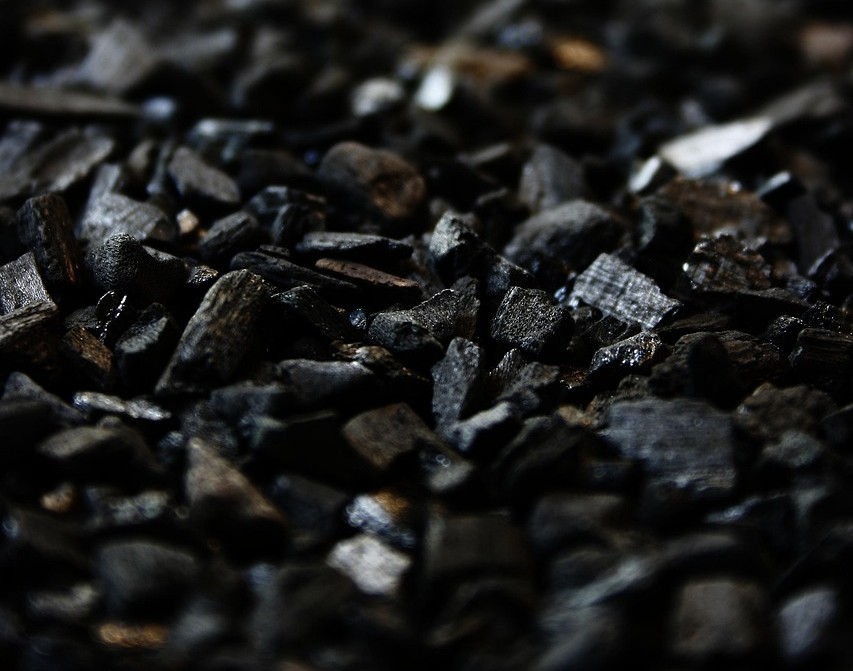
Farmers generate enormous amounts of crop residue every year—corn stalks, husks, straw, and other plant material. Much of it is burned, left to rot, or plowed under. AirJar’s approach captures that unused biomass and converts it into biochar, a stable, carbon-rich material that can remain in soils for hundreds to thousands of years.
How AirJar’s Technology Works
AirJar’s system is built around pyrolysis, a process that heats biomass in a low-oxygen environment. Instead of decomposing back into CO₂, the carbon in the plant material becomes locked into solid biochar.
What makes AirJar different is where and how this happens.
Instead of hauling crop waste to centralized facilities, AirJar aims to:
-
Deploy portable or field-based pyrolysis systems
-
Convert agricultural waste on-site
-
Return biochar directly to the soil where the crops were grown
This approach reduces transportation emissions, lowers costs, and makes carbon removal accessible to everyday farming operations.
Why Biochar Matters
Biochar isn’t just about carbon storage—it also improves soil.
When added to farmland, biochar can:
-
Increase soil water retention
-
Improve nutrient availability
-
Reduce fertilizer runoff
-
Support healthier microbial activity
That means farmers can see real agricultural benefits while also storing carbon. For AirJar, this dual value—better soils and long-term carbon sequestration—is key to scaling the solution.
Meet the Founders
AirJar was founded by two longtime friends who first met in the same classroom, and are now applying their shared passion for plant science to one of the world’s biggest challenges: climate change.
William Vincent-Killian and Benjamin Nason both attended The Pennsylvania State University, where they studied Horticulture Science and Plant Science in the College of Agriculture. Their friendship began in Horticulture 101, where a shared interest in soils, plants, and real-world agricultural impact quickly turned into a lasting professional connection.
Benjamin Nason brings deep operational and startup experience to AirJar. He was the first employee and Chief Operating Officer of Phospholutions, a Penn State Alumni–founded ag-tech company focused on improving global phosphorus efficiency through its patented RhizoSorb technology. The patent comes from Penn State research. His background spans scaling agricultural technologies, working with farmers, and navigating the realities of bringing soil innovations to market. In addition, Nason has served as a startup coach and mentor at Happy Valley LaunchBox, supporting early-stage founders as they move from idea to execution.
William Vincent-Killian complements this experience with a strong research and systems-level perspective. He is currently a graduate student at Lakehead University, pursuing a Master of Science in Forestry. His work focuses on ecosystems, land use, and the long-term interactions between soils, plants, and climate; expertise that directly informs AirJar’s approach to biochar, carbon storage, and agricultural deployment.
Together, Vincent-Killian and Nason combine academic grounding, startup execution, and agricultural pragmatism. What began as a college friendship rooted in plant science has evolved into a collaborative effort to build climate solutions that work where they matter most: in the field.
AirJar and the Carbon XPRIZE
To succeed in the Carbon XPRIZE, teams must demonstrate that they can remove and durably store at least 1,000 tons of CO₂ per year, with clear accounting for emissions and long-term storage.
AirJar’s biochar-based approach fits well within the competition’s rules:
-
Carbon is captured from the atmosphere via plant growth
-
Pyrolysis converts that carbon into a stable form
-
Biochar is returned to soil for long-term storage
-
The process can be scaled across agricultural regions
As the competition progresses, AirJar is actively refining its technical design, emissions accounting, and deployment strategy to meet XPRIZE’s strict verification requirements.
Partnering With Existing Pyrolysis Technology
Rather than reinventing the wheel, AirJar is currently reviewing existing pyrolysis patent holders to identify potential partners. The goal is to adapt proven pyrolysis technology into field-deployable systems optimized for agriculture.
By partnering instead of building from scratch, AirJar hopes to:
-
Accelerate deployment
-
Reduce capital costs
-
Focus on integration with farming workflows
-
Scale faster across different crop systems
This practical, partnership-driven mindset reflects a growing trend in climate tech: deploy what works, then improve it in the field.
AirMiners Launchpad Pitch
AirJar recently pitched to the AirMiners Launchpad, a well-known accelerator focused on carbon removal startups. The team is currently waiting to hear back on the results.
If accepted, the Launchpad could provide:
-
Technical mentorship
-
Investor connections
-
Carbon removal market expertise
-
Support navigating measurement and verification
For an early-stage company competing in a global prize, this kind of support can be critical.
Why AirJar Stands Out
What makes AirJar compelling during the Carbon XPRIZE is its practical realism.
Instead of betting on distant, capital-intensive infrastructure, AirJar is building a solution that:
-
Fits into existing agricultural systems
-
Creates immediate value for farmers
-
Stores carbon durably
-
Can scale incrementally across landscapes
It’s a reminder that climate solutions don’t always need to be futuristic—they can be grounded, mechanical, and farmer-friendly.
Looking Ahead
As the Carbon XPRIZE competition runs, AirJar represents a broader shift in climate thinking: moving carbon removal out of theory and into working landscapes.
Whether through the XPRIZE, partnerships with pyrolysis technology providers, or potential acceptance into AirMiners Launchpad, AirJar is actively building toward a future where farms don’t just grow food—they help stabilize the climate.
Comments are closed