For a lot of people, gardening sounds great in theory. Fresh tomatoes. Homegrown herbs. A relaxing weekend activity. But then reality hits: expensive soil, fancy planters, seed catalogs, and suddenly you’re $300 in… to grow $20 worth of lettuce.
If your goal is saving money, not just having a hobby, you need to approach growing food very differently. The good news? It is possible to grow food that genuinely lowers your grocery bill—if you focus on the right crops, the right methods, and the right mindset.
The Difference Between Hobby Gardening and Money-Saving Gardening
Hobby gardening is about enjoyment. Money-saving gardening is about return on investment.
That doesn’t mean it has to be joyless—but it does mean asking different questions:
-
Will this replace something I already buy?
-
Does it grow easily in my climate?
-
Can I harvest it multiple times?
-
Does it store well or preserve easily?
If the answer is “no” to most of those, it’s probably a hobby crop.
Start With Foods You Already Buy Every Week
The easiest way to save money is to grow foods that are already on your grocery list.
Before planting anything, look at your receipts from the last month. Which items show up again and again? Which ones feel overpriced?
Common high-impact crops include:
-
Leafy greens
-
Herbs
-
Green onions
-
Zucchini and squash
-
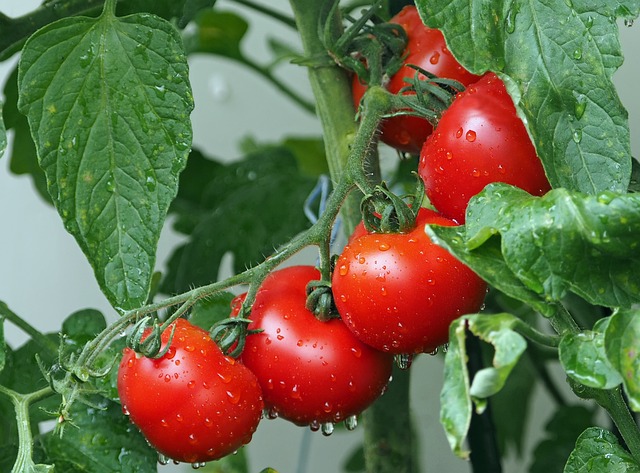
Tomatoes (especially cherry varieties)
-
Peppers
These foods are expensive per pound at the store but cheap and productive in a home garden.
Leafy Greens: The Biggest Budget Win
Leafy greens are one of the highest return crops you can grow.
A small bed or container can produce:
-
Lettuce
-
Spinach
-
Kale
-
Swiss chard
-
Arugula
Most grocery stores charge a premium for greens, especially organic ones. At home, you can harvest them continuously for months by using a “cut-and-come-again” method.
One packet of seeds can replace dozens of store-bought bags.
Herbs: Tiny Plants, Big Savings
Fresh herbs are one of the most overpriced items in the produce aisle.
Growing just a few staples can save serious money:
-
Basil
-
Parsley
-
Cilantro
-
Thyme
-
Rosemary
-
Mint
Herbs grow well in containers, need little space, and often cost more per ounce than meat at the store. Even better, you can dry or freeze them to use year-round.
Green Onions and Perennials: Food That Keeps Coming Back
Some of the best money-saving crops don’t require replanting every year.
Green onions are a perfect example. You can:
-
Buy one bunch from the store
-
Plant the roots
-
Harvest continuously
Other long-term winners include:
-
Asparagus
-
Rhubarb
-
Berry bushes
-
Fruit trees (long-term investment)
Perennials take patience, but once established, they produce food with almost no ongoing cost.
Zucchini, Squash, and Tomatoes: High Yield, Low Effort
If you want volume, these are hard to beat.
A few healthy plants can produce:
-
More zucchini than you know what to do with
-
Pounds of tomatoes over a season
-
Reliable harvests even for beginners
The key is not overplanting. One or two plants per household is often enough to replace store purchases without creating waste.
Avoid the Most Common Money-Losing Mistakes
If gardening hasn’t saved you money before, it’s probably because of one (or more) of these traps.
Buying too much equipment
You don’t need raised beds, grow lights, or fancy tools to start. Soil, seeds, and sunlight go a long way.
Growing novelty crops
Artichokes, melons, and exotic varieties can be fun—but they often cost more to grow than to buy.
Overwatering and over-fertilizing
This wastes money and reduces yields. Most plants prefer consistency, not excess.
Planting without a plan
Random planting leads to wasted space and food you don’t actually use.
Grow in the Smallest Space Possible
You don’t need land to save money growing food.
Productive options include:
-
Balcony containers
-
Window boxes
-
Five-gallon buckets
-
Small backyard beds
-
Community garden plots
The goal is efficiency, not size. A few square feet used well can outperform a large, poorly planned garden.
Composting: Turn Waste Into Free Fertilizer
Fertilizer costs add up quickly. Composting is one of the easiest ways to cut expenses.
Kitchen scraps, yard waste, and leaves can become:
-
Nutrient-rich soil
-
Free fertilizer
-
Improved water retention
Even a simple bin or pile can eliminate the need for store-bought soil amendments over time.
Preservation Is Where the Real Savings Add Up
Growing food saves money once. Preserving it saves money all year.
Simple preservation methods include:
-
Freezing chopped vegetables
-
Drying herbs
-
Making sauces and soups
-
Pickling excess produce
If your harvest replaces winter grocery purchases, the savings multiply.
Think Like a Grocery Store, Not a Gardener
The mindset shift is simple but powerful.
Instead of asking:
“What do I want to grow?”
Ask:
“What do I want to stop buying?”
When your garden is designed to replace purchases—not decorate a yard—it becomes a tool for financial resilience.
The Bottom Line
Growing food that saves money isn’t about perfection, aesthetics, or trends. It’s about focus.
Grow foods you already buy. Start small. Skip the gadgets. Preserve what you harvest.
Done right, a garden isn’t a hobby—it’s a quiet way to take control of your food budget while building skills that matter in a changing climate.
And that’s about as climate-wise as it gets.
Comments are closed